Free EMR software in India
Free EMR software for clinics does genuinely exist, mostly open-source or a limited free tier of a paid product. It is a reasonable way to find out whether digital records suit your practice. What you take on in exchange is hosting, backup, security and upgrades — and no support when something breaks in the middle of OPD, which is the moment it matters.
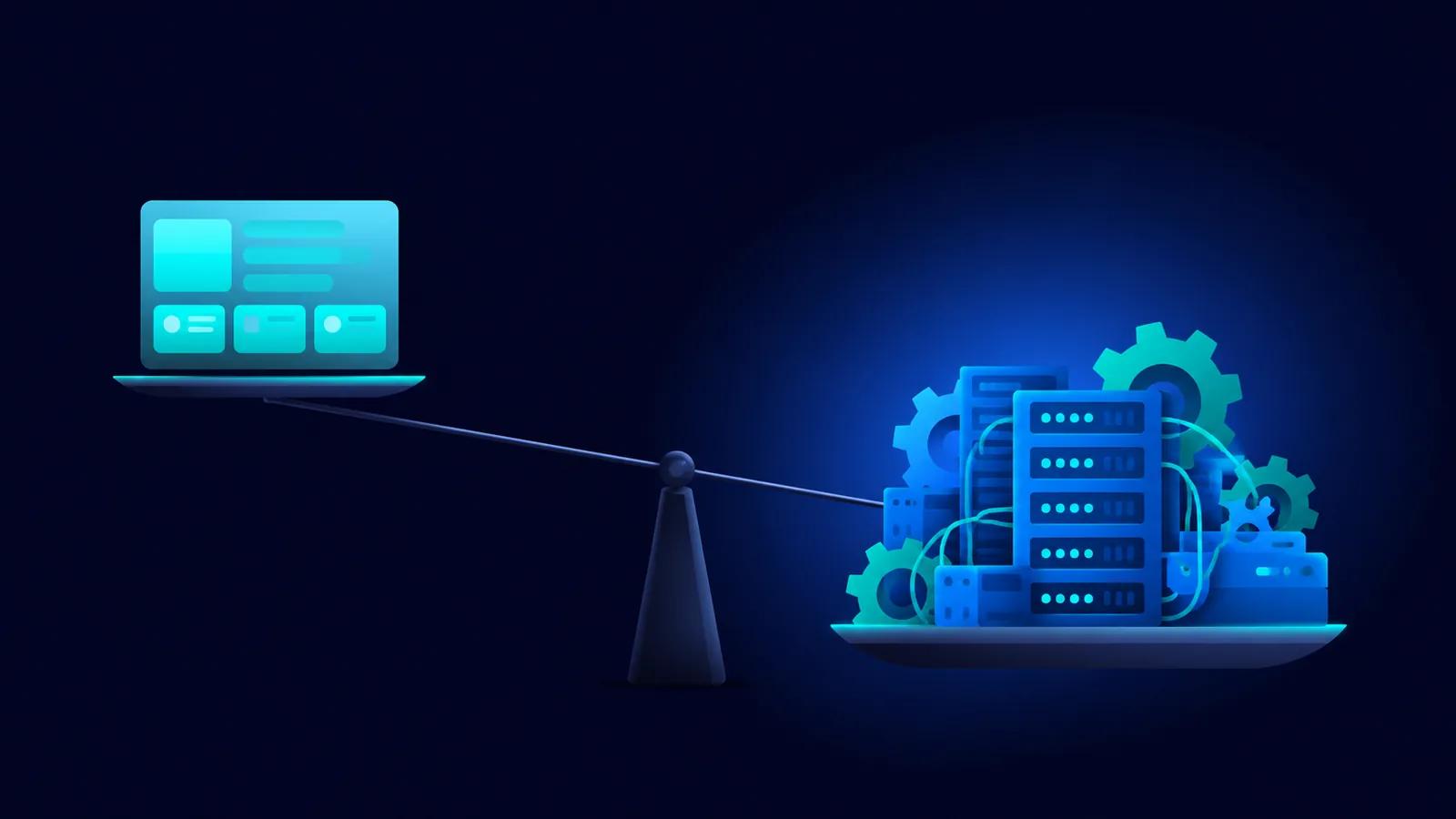
The three kinds of 'free'
They fail in different ways, so it is worth knowing which one you are looking at.
- Open-source, self-hosted — genuinely free software, but you or someone you pay must run the server, back it up and patch it
- Free tier of a paid product — usually capped on patients, users or features, designed to convert you later
- Free trial — full product for a limited period; the most useful of the three for actually evaluating fit
What free actually costs
The costs are real but they arrive as time and risk rather than an invoice. Someone has to install and update it. Someone has to make sure backups exist and can be restored — a backup nobody has tested is not a backup. Someone is responsible for patient data security, and under India's DPDP Act that responsibility does not transfer to whoever wrote the software. If that person is you, the cost is clinic sessions.
When free is the right answer
If you are not yet sure digital records will work in your practice, free removes the risk of committing budget to a system you might abandon. It is also reasonable if you have genuine technical support available and low patient volume. The mistake is treating free as permanent infrastructure for a growing practice with staff who cannot fix it.
When it stops being cheaper
The switch usually happens at one of three points: the first data loss, the first time an upgrade breaks something during clinic hours, or the first hire who needs training and cannot be trained because there is no documentation or support line. At that point the comparison is no longer free versus paid — it is downtime versus a subscription.
The three options side by side
The same clinic, the same records, three different sets of obligations. Nothing here says free is wrong — it says free moves work rather than removing it.
| Open-source self-hosted | Free tier | Paid subscription | |
|---|---|---|---|
| Licence cost | None | None, up to a cap | Monthly |
| Server and hosting | Yours to arrange and pay for | Included | Included |
| Backups | Yours to configure and test | Usually included | Included |
| Security patching | Yours | Vendor | Vendor |
| Support during OPD | Community forums | Limited or none | Yes |
| Upgrades | You perform them | Automatic | Automatic |
| DPDP accountability | Yours entirely | Shared, read the terms | Shared, read the terms |
| Data export | Full — the database is yours | Check before committing | Check before committing |
The DPDP question nobody asks until later
India's Digital Personal Data Protection Act treats the clinic as responsible for patient data it holds. That obligation follows the data, not the software licence — choosing free software does not move it to whoever published the code, and there is no vendor to share it with. In practice this means access control, encryption, breach handling and a real answer to a patient asking what you hold about them are all yours to implement and evidence. This is not an argument against open-source, which is used seriously in healthcare worldwide. It is an argument against assuming free means fewer obligations, when it means the opposite.
The honest test before you commit
Ask one question: if this breaks at 11am on a Monday with twenty patients waiting, who fixes it and how long do they take? Answer it with a name and a number, not a hope. If the name is you and you will be consulting, you have your answer. Everything else about the free-versus-paid decision is secondary to that single scenario, because it is the one that will actually happen.
If you do start free, protect your exit
Whatever you choose, make sure you can get your data out in a usable format. Open-source generally wins here — the database is yours. With a free tier, check the export terms before you enter a year of patient records, not after.
Frequently asked questions
Is there free EMR software for clinics in India?
Yes — mainly open-source, self-hosted systems, plus limited free tiers and trials of paid products. Open-source is genuinely free as software; you take on hosting, backup, security and upgrades.
Is free clinic management software safe for patient data?
It can be, but the responsibility is yours. Self-hosting means you are accountable for access control, encryption and backups, and under the DPDP Act that duty does not pass to the software's authors. If nobody in the practice can own that, free is riskier than it looks.
What is the catch with free EMR software?
There usually isn't a catch so much as a transfer — the vendor's costs become your responsibility. No support during OPD, no managed backups, and upgrades you have to perform. That is fine at low volume and expensive at high volume.
Should a growing clinic stay on free software?
Usually not past the point where staff other than the doctor depend on it. Once people who cannot fix the system need it to work, the absence of a support line becomes the dominant cost.
Does free EMR software meet DPDP requirements?
The software is not what complies — you are. Under the DPDP Act the clinic is responsible for the patient data it holds, and that duty does not transfer to whoever published the code. With self-hosted software there is no vendor to share it with, so access control, encryption, breach handling and answering patient data requests are entirely yours to implement.
Who fixes free EMR software when it breaks?
You, or someone you pay. This is the question worth answering before committing: if it fails at 11am on a Monday with twenty patients waiting, name the person who fixes it and how long they take. If the answer is you, and you will be consulting, that is the real cost of free.
Can I move from free software to paid later?
Usually, and it is easier from open-source than from a free tier because the database is genuinely yours. Either way, confirm the export format before you enter a year of records — migration difficulty is decided at the start, not at the point you want to leave.